Nziria

Marea 27

Marea 27 is the seventh edition of Marea Art Project’s research programme and will feature the participation of Nziria, DJ and producer.

(They/Them)

Nziria

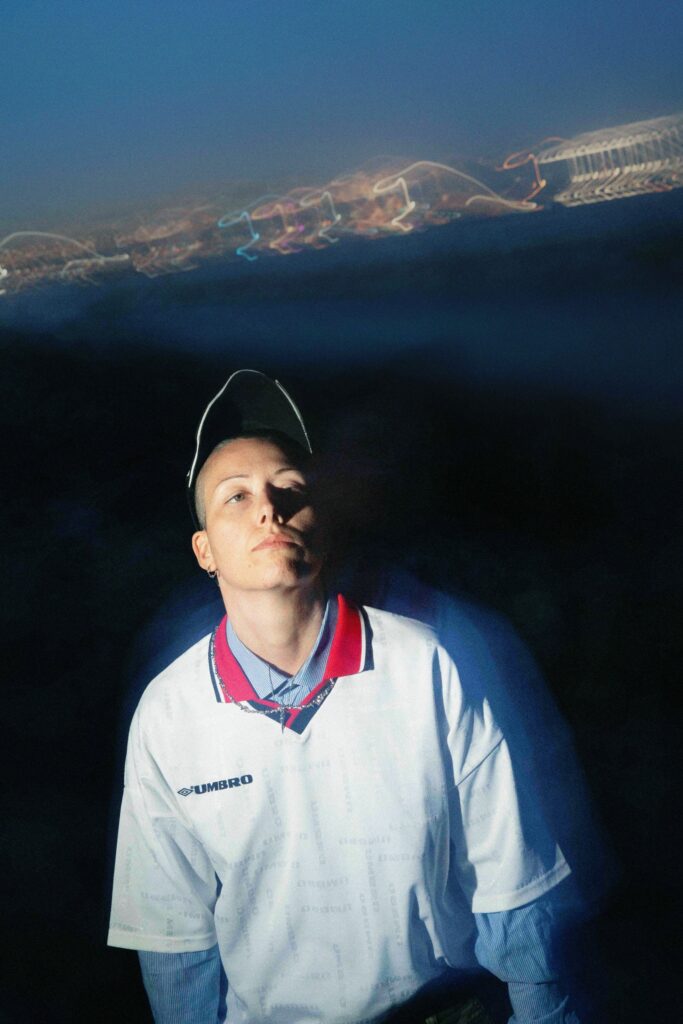
Non-binary artist, NZIRIA develops a sonic practice that brings Neapolitan neomelodic music into dialogue with electronic club culture and rave, creating a hybrid language they define as Hard Neomelodic. Through a vocal style that challenges conventional gender classifications, they rework the traditionally cis-heteronormative imagery of neomelodic music, opening it up to queer narratives and fluid identities.

In 2022, NZIRIA released their debut album, XXYBRID, on Never Sleep, the label founded by Gabber Eleganza. Blending hardcore gabber with neomelodic melodies, the record explores hybridity as a tool for investigating identity and reconnecting with their Neapolitan roots and dialect, learned during their early years.

That same year, they collaborated with Meg on Napolide and joined the European SHAPE+ programme. They have since performed at international festivals and venues, including CTM Festival, Berghain and Botanique. On New Year’s Eve 2023, they opened for Rkomi in Naples’ Piazza del Plebiscito.

Their second album, SYYSMA, was released on 26 June 2026 via DRACO, the independent label they founded. Expanding their Hard Neomelodic approach, the record combines hardcore, jungle, UK bass and trance with neomelodic melodies and Eurodance influences. Its title refers to bradyseism and the underground movements shaping the Neapolitan territory, evoking personal and artistic transformation. Written entirely in Naples, the album portrays a nocturnal, industrial vision of the city, beyond folkloric stereotypes. On Veleno, featuring non-binary artist Iceboy Violet, NZIRIA explores desire and queer identity, challenging the conventions of neomelodic music.

Based between Naples and Ravenna, NZIRIA is a resident DJ at Marseille’s Ola Radio and Milan’s radio Raheem. Their DJ sets are spaces for sonic experimentation, combining jungle, drum and bass, techno and bass music with hardcore influences and references to Neapolitan musical traditions.

Photo Credits: Clara Borrelli

The Project 

During the residency on the Amalfi Coast, Nziria will explore the legend of the “trave di fuoco” (the burning beam), associated with the feast of Saint John, as the starting point for a sonic investigation into the coexistence of fire and water. According to a local legend, on the night between 23 and 24 June, a great burning log descends from the mountain towards the sea and, plunging into the water, symbolically “warms” it. This gesture is evoked in the saying “‘A trave è fuoco a mare”, passed down through a range of material and intangible sources.

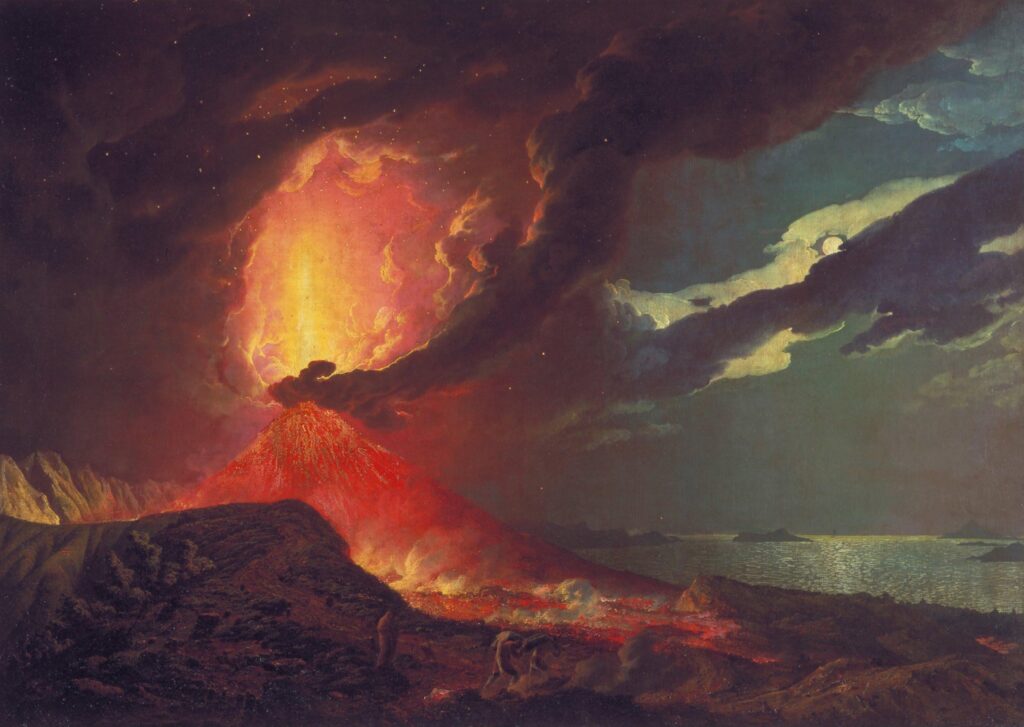
Long fascinated by fire and its connection to the volcanic landscape around Naples, Mount Vesuvius and the subterranean energies of the Phlegraean Fields, Nziria will investigate the encounter between these two primordial forces. The research will unfold through an exploration of local myths, traditions and rituals, with a particular focus on folk narratives. “Drawing on the memories of the Amalfi Coast and the Neapolitan and Phlegraean landscapes, sea songs, Saint John’s traditions and tammurriate — traditional Southern Italian music and dance rooted in ritual practices — the artist will explore how these forces have shaped the collective imagination, leaving traces in the culture and identity of the region. 

Building on their ongoing practice at the intersection of Neapolitan tradition and rave culture, Nziria will bring folklore into dialogue with sonic experimentation, weaving together vocal fragments, field recordings, folk melodies and ecstatic rhythms. Sound will become a space of tension and transformation, where fire and water can encounter and influence one another, moving beyond the opposition between them.

The project ultimately envisions a third substance, neither fire nor water, but an entirely new dimension emerging from their encounter: a hybrid sonic space where memory and imagination converge, opening up new possibilities for coexistence between elements, traditions and different temporalities.

Photo Credits: Joseph Wright of Derby “The Eruption of Vesuvius with a View of the Bay of Naples”, ca. 1776–1780