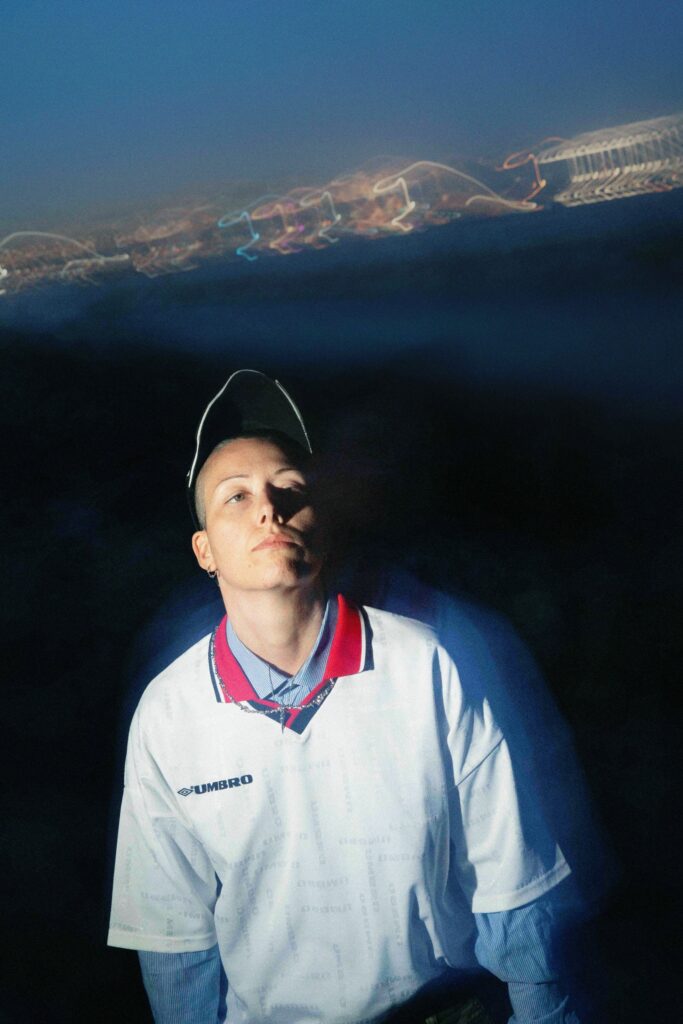
The Project
During the residency on the Amalfi Coast, Nziria will explore the legend of the “trave di fuoco” (the burning beam), associated with the feast of Saint John, as the starting point for a sonic investigation into the coexistence of fire and water. According to a local legend, on the night between 23 and 24 June, a great burning log descends from the mountain towards the sea and, plunging into the water, symbolically “warms” it. This gesture is evoked in the saying “‘A trave è fuoco a mare”, passed down through a range of material and intangible sources.
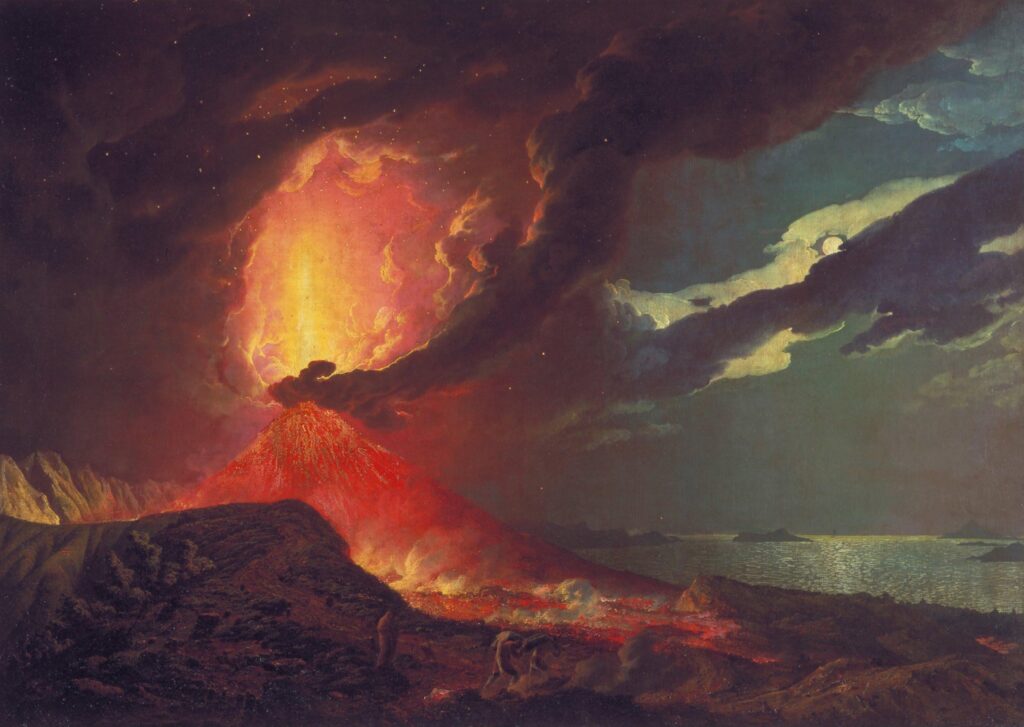
Long fascinated by fire and its connection to the volcanic landscape around Naples, Mount Vesuvius and the subterranean energies of the Phlegraean Fields, Nziria will investigate the encounter between these two primordial forces. The research will unfold through an exploration of local myths, traditions and rituals, with a particular focus on folk narratives. “Drawing on the memories of the Amalfi Coast and the Neapolitan and Phlegraean landscapes, sea songs, Saint John’s traditions and tammurriate — traditional Southern Italian music and dance rooted in ritual practices — the artist will explore how these forces have shaped the collective imagination, leaving traces in the culture and identity of the region.
Building on their ongoing practice at the intersection of Neapolitan tradition and rave culture, Nziria will bring folklore into dialogue with sonic experimentation, weaving together vocal fragments, field recordings, folk melodies and ecstatic rhythms. Sound will become a space of tension and transformation, where fire and water can encounter and influence one another, moving beyond the opposition between them.
The project ultimately envisions a third substance, neither fire nor water, but an entirely new dimension emerging from their encounter: a hybrid sonic space where memory and imagination converge, opening up new possibilities for coexistence between elements, traditions and different temporalities.
Photo Credits: Joseph Wright of Derby “The Eruption of Vesuvius with a View of the Bay of Naples”, ca. 1776–1780