Villa Medici – French Academy in Rome Fellowship Programme 2025–2026
Exhibition curated by Imma Tralli and Roberto Pontecorvo (Marea Art Project)
Associate curator: Camille Coschieri
Fellows: Alia Bengana, Arianna Brunori, Diaty Diallo, Marin Fouqué, Elitza Gueorguieva, Camille Lévy Sarfati, Hugo Lindenberg, Giulia Lorusso, Paul Maheke, Randa Maroufi, Marie-Claire Messouma Manlanbien, Farnaz Modarresifar, Baptiste Pinteaux, Enrique Ramírez, Ben Russell and Thu-Van Tran.
Guest artists: Nastasia Alberti, Jacques Kaufmann, Adriano Tramontozzi and Alice Visentin.
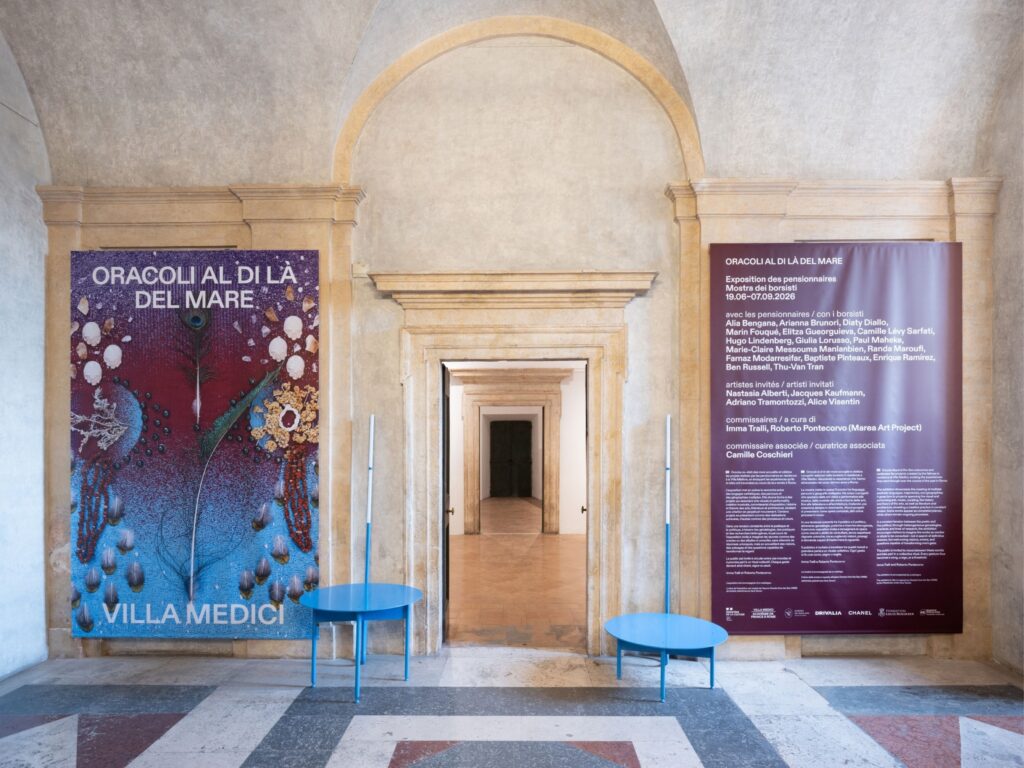
Oracles from Beyond the Sea stems from a desire to evoke the experiences that the Villa Medici fellows have undergone during their residency in Rome, anticipating its concluding act, represented by the exhibition we were invited to curate. This was all the more challenging an undertaking because, when we had to envision the exhibition, most of the works were still in the midst of the creative process. The exhibition thus takes shape as our attempt to bring a heterogeneous range of voices together within a fluid and unpredictable space. It becomes an invitation to the fellows to join us in a shared ritual, through the circulation of genealogies, practices and research that are at times very different from one another, in a constant tension between the personal and the collective, the poetic and the political. It is also an invitation to the public to let things unfold, imagining each of the works on display as oracles or sibyls to be consulted, without demanding unambiguous answers, but welcoming visions, omens and questions capable of transforming one’s gaze. It is a call to cultivate a different logic of reality and to move between worlds, becoming part of a space where every gesture and every story become song, sign or threshold.


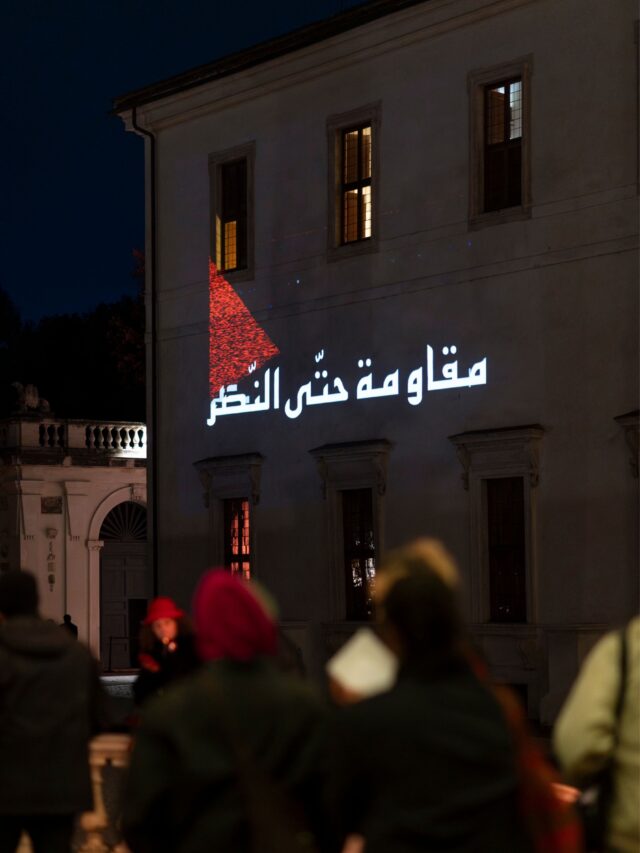
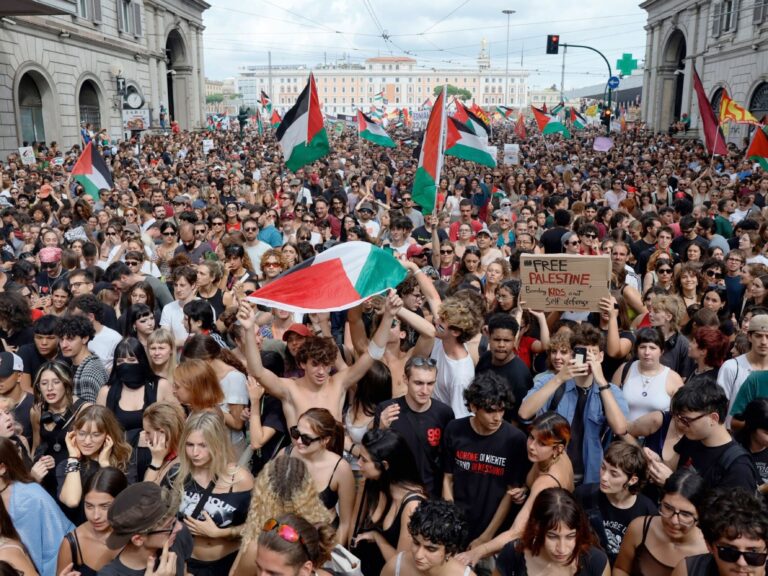
Among the experiences that punctuated the year, the White Night of November 2025, renamed the Black Night by the fellows, certainly represented a pivotal moment in their journey. Through installations, concerts, performances, screenings and readings held throughout the building and the historic gardens of the Villa, the fellows presented their research and creations together for the first time, expressing their support for the Palestinian people and for “fellow artists who create and resist in besieged, plundered and destroyed places; from the heart of displacement or exile”, while affirming their determination to “continue building archives of memory, weaving alternative narratives, surrounding ourselves with the voices of those who are no longer here and the presence of those who are still alive”. The event was preceded by an extraordinary moment in recent history, which took place during the very weeks in which the fellows arrived in Rome for their residency, when hundreds of thousands of people flooded Italian squares in a historic international mobilisation in support of the Global Sumud Flotilla, whose action across the sea captured the world’s attention.
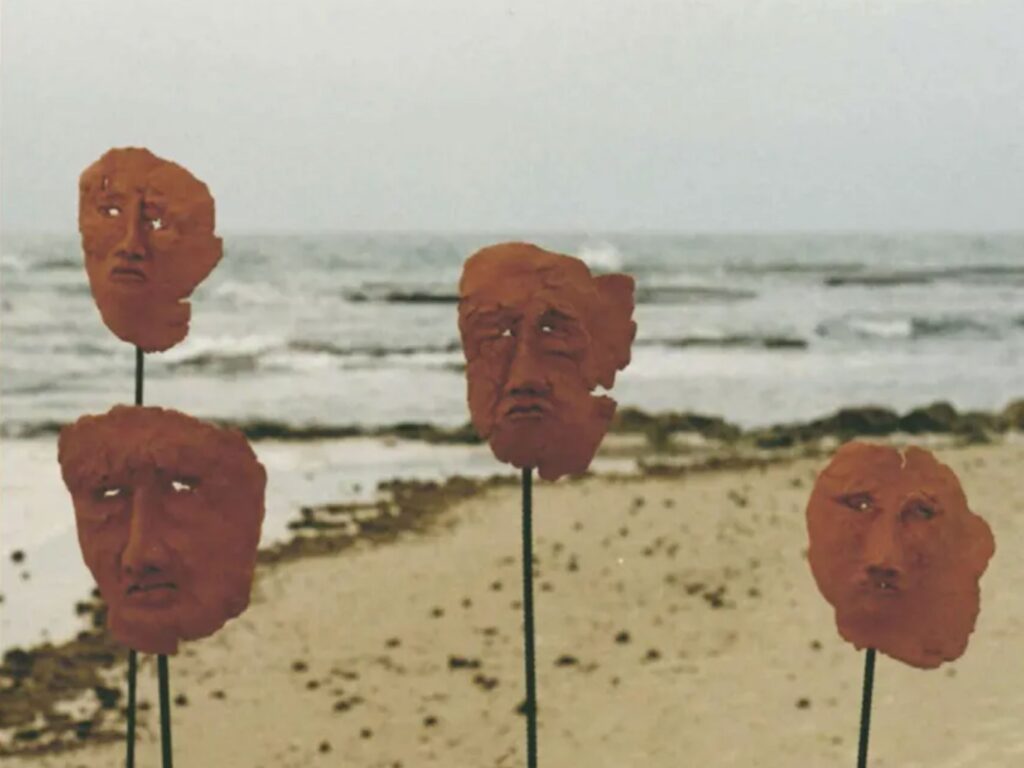
It is against this backdrop that the inspiration for the title of this exhibition takes shape. More specifically, it recalls a personal experience: our meeting in Ramallah with the Palestinian artist and activist Vera Tamari (Jerusalem, 1945), a central figure whose commitment has been instrumental in creating artistic movements linked to the Palestinian people’s resistance. As she told us about her work, an image resonated with us as an unexpected echo. It was Oracles from the Sea (1998): an installation of clay faces re-emerging from the shores of Jaffa, the so-called Bride of the Sea. In those faces, we sensed the emergence of a world of ancient genealogies and cosmologies, in which the continuity of creation and the unceasing impulse towards life withstand every attempt at oppression. A melancholic ballad that enters into a relationship with the life of the coastline, a living and archaic body, like the very lands that have emerged from the sea; that place which the marine biologist Rachel Carson describes as “the primal site of encounter between the elements of earth and water, a place of compromise, conflict and eternal change”.
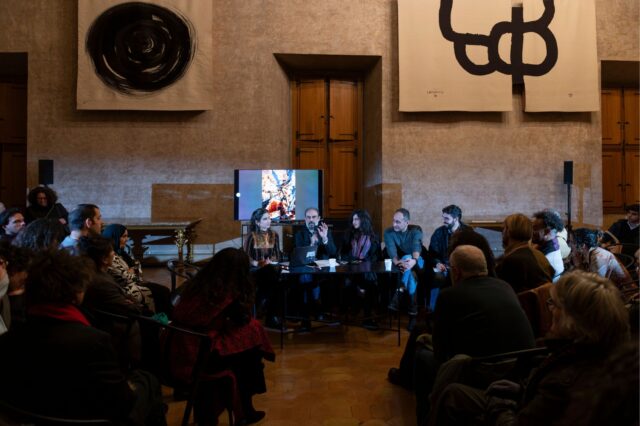
Through the works on display, which range from visual and performative arts to music, from curatorial practice to art history and theory, and extending to literature and architecture, we seek to foreground the research that the fellows have developed during this year of residency at Villa Medici, embracing transformation as an everyday practice. With the invaluable support of the team, they have been able to invite international guests and present performances, concerts, film screenings, readings and assemblies, bringing their embodied experiences into dialogue with those of other scholars. The Villa itself has become a space for experimentation and the creation of new forms of knowledge. The works presented here are also the outcome of this journey. Some have taken shape as finished works, while others reveal a process still underway.
Some works lead us through the interstices of histories that, from the North of the Western world, turn their gaze towards Rome, with its timeless atmospheres, ruins and historical layers. Others look towards the Italian territory while simultaneously opening onto other geographies, reconnecting with histories from Abya Yala, Africa and Asia, and revealing what the philosopher Gayatri Chakravorty Spivak defines as epistemic violence: the violence that colonialism and imperialism have inflicted, and continue to inflict, upon the Global South, dehumanising and racialising peoples through necropolitical systems of power. These works open up the possibility of reactivating memories, celebrating coexistence with the invisible and the realm of the dead. This porosity was something some of us experienced together during a study day in Naples, when, in the hypogeum of the Church of Santa Maria delle Anime del Purgatorio ad Arco, we discovered the ancient popular cult of the anime pezzentelle — the souls of the poor and abandoned dead.
Among the works on display are also pieces that give form to a submerged imaginary that persists through its stories and rituals, in continuity with a magical and mythical knowledge that predates extractive and heteropatriarchal capitalism. They take us back to a place where it is still possible to weave the thread connecting different stories, beyond the limits of space and time. Other works, by contrast, tell of witches and chthonic deities emerging from haunted depths, reclaiming the power of women who act as weavers of memory, to borrow the words of the philosopher Silvia Federici. Through an intertwining of voices and sounds, they restore a ritual dimension to the artistic gesture, thus becoming sites from which to evoke a universe of relationships and create spaces of mutual care, starting from the body, its tensions, but also the impulses and desires that course through it. Other works, too, usher us into mysterious and alchemical worlds, inviting us to inhabit them in a relationship of interdependence with both living and non-living beings.
It is within this fabric of practices and positions that the experience of the residency at Villa Medici takes shape. For the fellows, it has meant becoming part of a living body in which the personal and the professional, the past and the present coexist and are called into question. A body in which the intimate and the collective blur together through the circulation of spaces, thoughts, emotions and ambitions, but also weaknesses and fears, giving rise to moments of conflict, vulnerability and dissonance, heightened by the tension inherent in inhabiting an institution. At the same time, it has meant collectively attempting not to neutralise the privilege and power conferred by the institution, but rather “to make them visible, to question them, to open up a participatory space for dialogue so that we can understand together how to use them rather than enact them”. This is a process of critical awareness that we feel we have undertaken alongside them, acknowledging our own positions and the contradictions entailed by this journey, while keeping the dialogue constantly open and expanding the space for listening and encounter. This space has been all the more urgent to inhabit together with some of them, as we ventured into the social and cultural fabric of the city of Rome and moved our bodies towards southern Italy in search of its magical rituals.
Oracles from Beyond the Sea is also an ode that brings bodies together in a harmonious flow with the cosmos. Let us therefore weave tears and desires together as songs of love and revolt, so that this exhibition may join the voices echoing throughout this catalogue and make your passage through its galleries a transformative experience.
The texts that follow evoke the works brought together here. In an attempt to guide their reception, we have arranged them along a narrative trajectory that does not correspond to their physical placement within the exhibition spaces, but rather suggests and brings out possible resonances and passages between them. It is not intended to prescribe a single route, but instead to offer a threshold of entry.
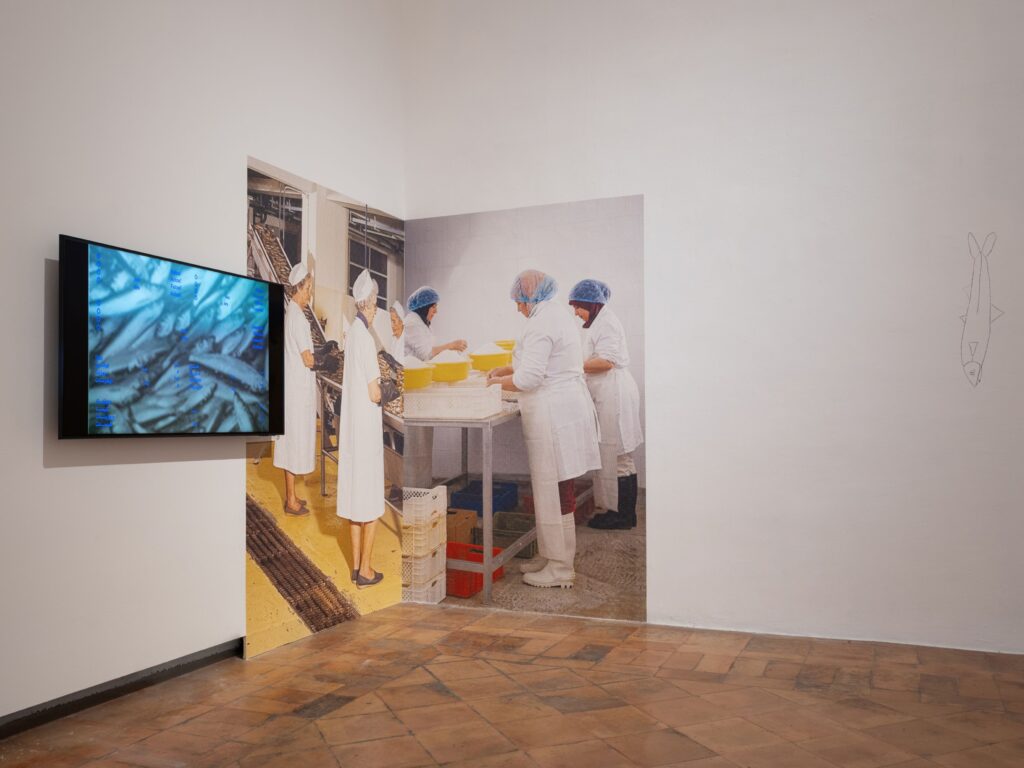
Among the works on display, we encounter the research project by artist and filmmaker Randa Maroufi: a filmic investigation into labour practices in Mediterranean anchovy-canning industries. Through the intersection of ecofeminism, colonialism and social struggles, her research explores how the creative process and the artwork itself can act as forms of collective resistance. Conceived across three temporalities, the film will unfold around the processing of anchovies, bringing the spaces of production into tension with those of consumption. A chorus of memories, gestures and presences composes a layered narrative of women’s labour and migration, bringing to light bodies and movements that are usually kept out of frame.
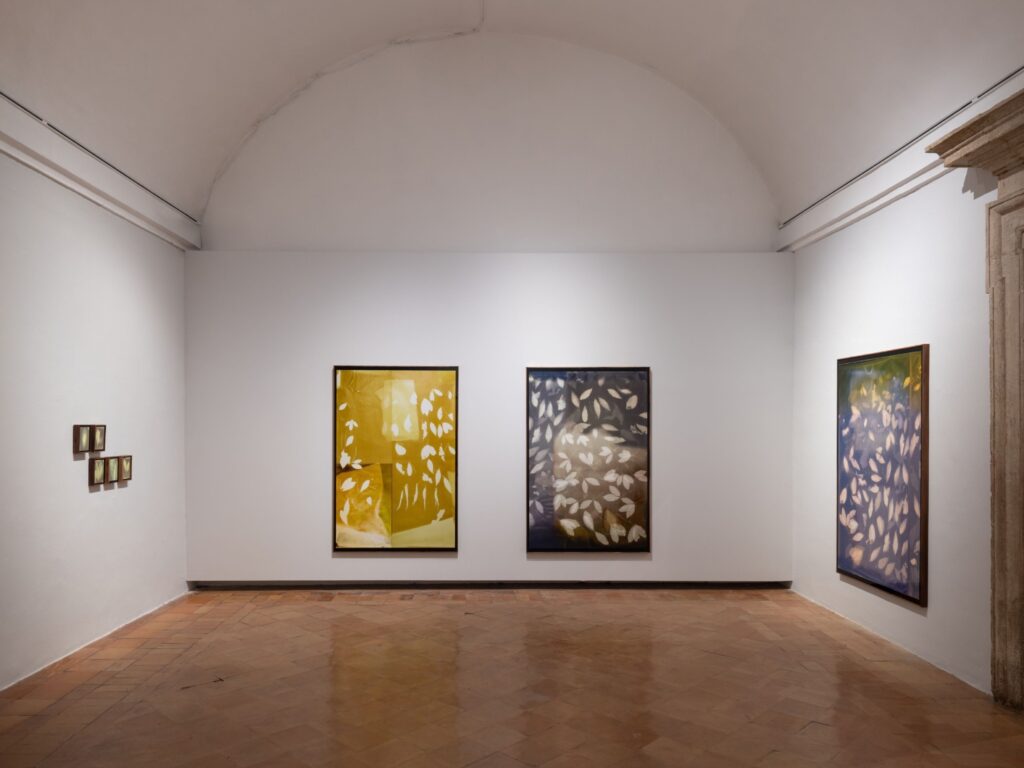
The colonial legacy is imprinted on the landscape, transmuting nature into a living archive, in the work of visual artist Thu-Van Tran, whose artistic practice intertwines the poetic and the political in order to interrogate the present. In Au couchant, Au levant (2022), images that preserve the imprint of hevea leaves collected by the artist from the former Michelin plantations in Vietnam and Ford plantations in the Amazon evoke an image that is at once ethereal and fleeting. The rubber tree becomes an ambivalent emblem: a resource and an instrument of domination, a tangible sign of colonial expansion, but also a bearer of vital force. Latex flows like a tear, or a gift, evoking both spiritual strength and the persistence of the living.
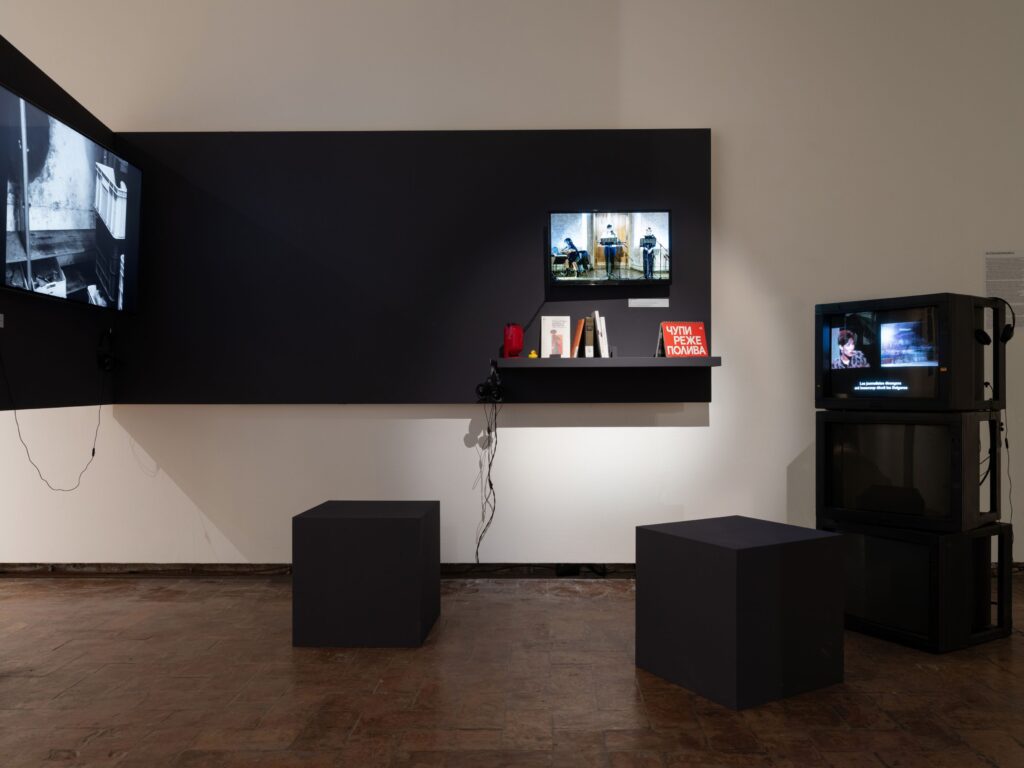
If the land preserves the marks of occupation, the objects taken from it become evidence, assuming the form of silent relics. We see this in La mirada que permanece by artist and filmmaker Enrique Ramírez, whose research revolves around a Yaghan canoe stolen in 1893 from the southernmost tip of Chile. This vessel, belonging to the Indigenous peoples of Chilean and Argentine Patagonia, has been kept in the storerooms of Rome’s Museum of Civilisations for more than one hundred and thirty years. Moving between motion and confinement, memory and the present, the artist evokes the histories of Patagonia’s communities through images of “human zoos”, photographs of exile, a film and a sound sculpture. The latter, composed of seeds from native trees and lead bullets, alludes to the Remington ammunition used to exterminate these populations, thus connecting the past to contemporary resistance.
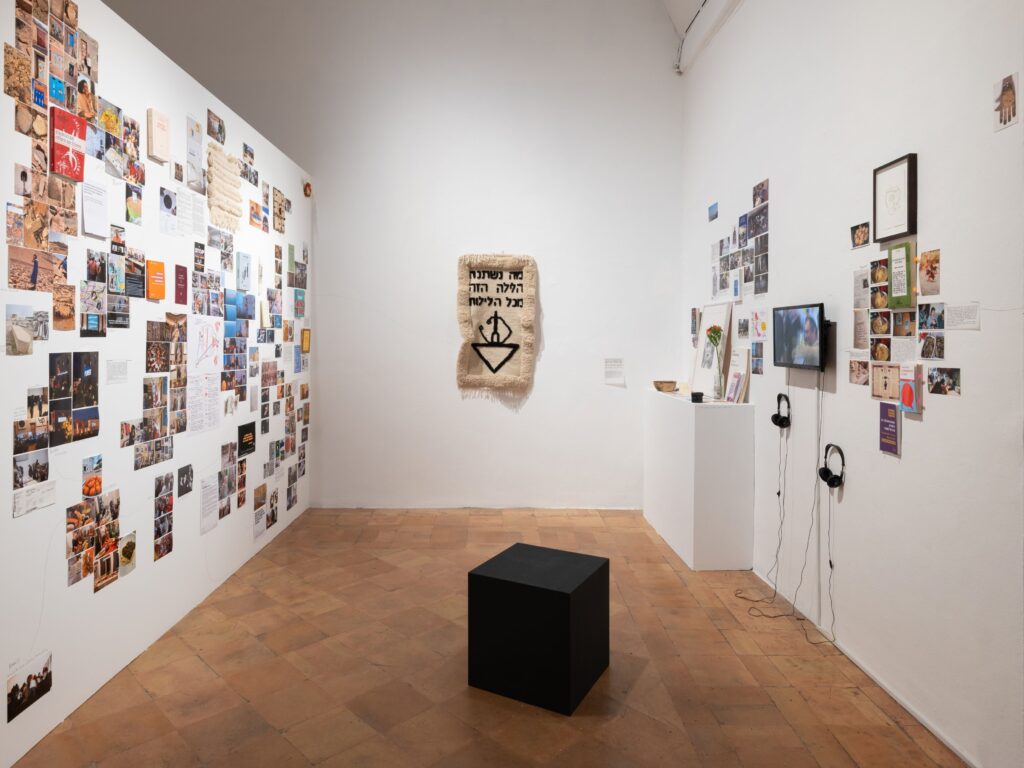
From a reflection on the material traces of colonial dispossession, we turn towards the collective dimension of memory, in which ritual becomes a space of transmission and resistance. This discourse resonates with the research project of curator and writer Camille Lévy Sarfati, who presents at Villa Medici several elements of an artistic, political and intimate journey undertaken over the past ten years, exploring ritual as a space of struggle against the forces of erasure—colonialist and nationalist alike. Images, texts and sounds form an alternative, wholly subjective atlas that makes visible a web of solidarity, thought and practices. During her residency, Lévy Sarfati brought together around fifteen artists and activists to collectively envision a travelling, pluriversal Assembly centred on the interactions between art, ritual and politics. From this still unfinished counter-cartography emerges the deeply political figure of the Madonna of Trapani, celebrated in a multisited, multireligious procession stretching from Sicily to Tunisia.
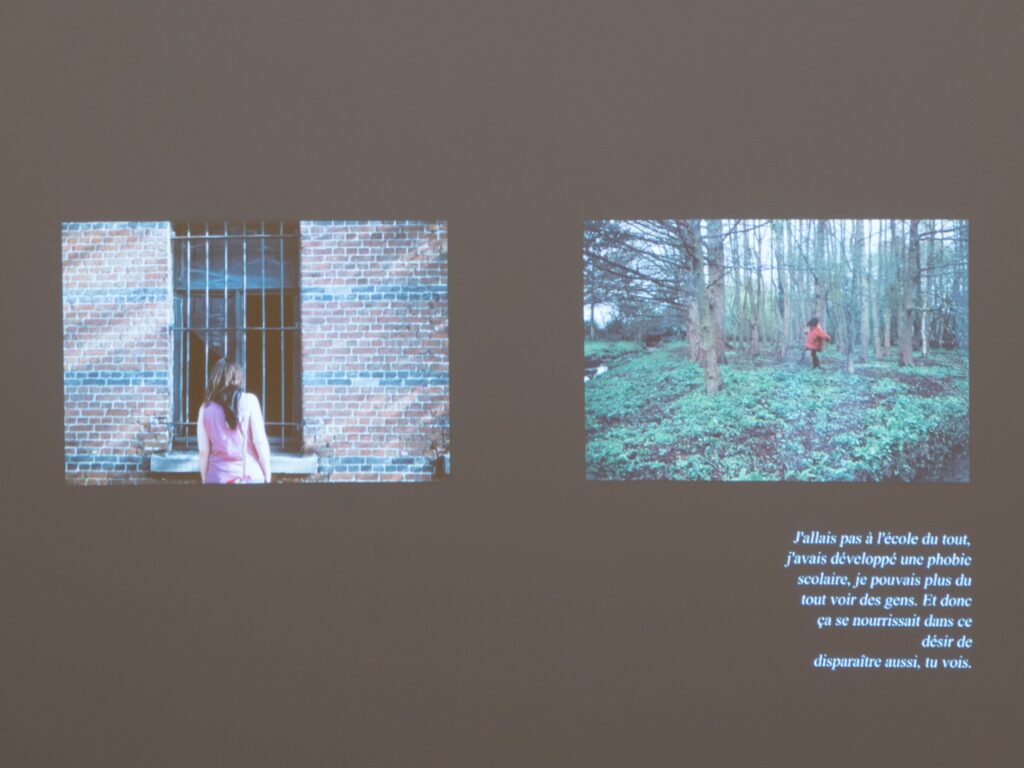
Ritual becomes a liturgy of grief, in which voice and memory transform loss into a poetic act, in Dans ses yeux d’albâtre by composer, santur player and poet Farnaz Modarresifar. For Villa Medici, she presents a more personal audiovisual piece drawn from the initial project for her work for orchestra and choir, originally inspired by Igor Stravinsky’s Oedipus Rex. Modarresifar weaves a connection between music and text through a rewriting of the tragedy of Oedipus, bringing it into resonance with her autobiographical experience and with the grief associated with the violence inflicted upon the Iranian people in January 2026. Oedipus’s blinding becomes a metaphor for the gaze and its ruptures, with the eyes occupying a central role between perception, revelation and disappearance, a motif that runs through Persian culture and informs her work. This is accompanied by a visual body of work comprising texts and photographs taken by the artist within the Villa and in museums and other locations throughout the city of Rome.
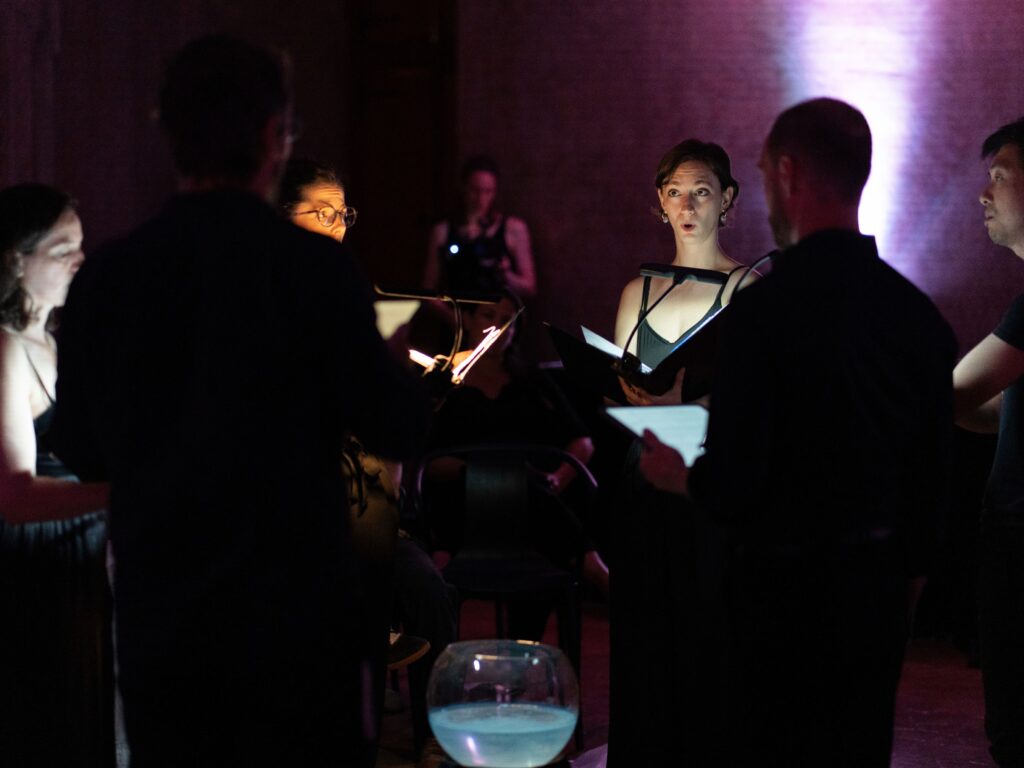
The mythological and choral element becomes an immersive experience in which the magical feminine reactivates ancestral forces in Cercle, the sound installation by composer Giulia Lorusso, conceived as an echo of a larger diptych for sixteen voices. Taking the circle as a metaphor for cyclicality, death and rebirth, and transformation, Cercle draws inspiration from the myth of the sorceress Circe and the profoundly transformative power of the feminine imagination. Between descent and re-emergence, a group of voices inhabits the space, conceived as a passageway that metaphorically connects the underworld with the world above. It is within this transitional time that a ritual of listening takes shape, among chthonic entities rising from the bowels of the earth and guiding the passage through a liminal space.
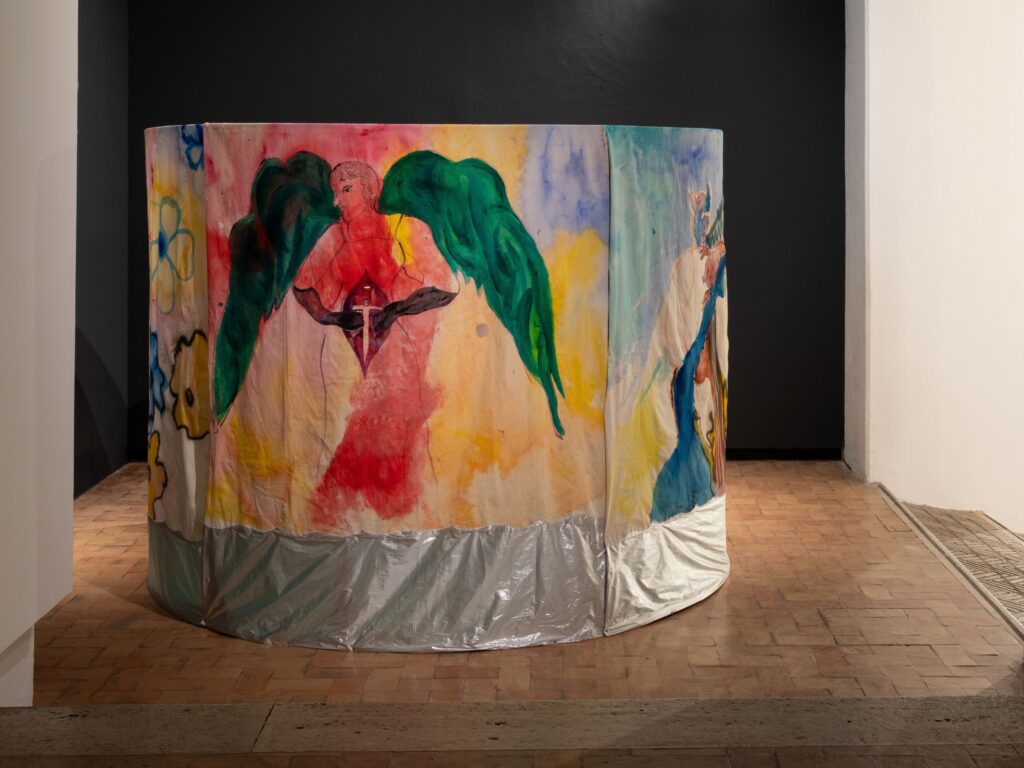
The circular dimension returns, moving from the evocative power of myth to the transmutative power of alchemy, where knowledge and visions redefine ritual as a practice of understanding. We experience this in Teatro Alchemico, an installation born from the collaboration between philosopher and art theorist Arianna Brunori and guest visual artist Alice Visentin (Italy, 1993). Drawing on the metaphor of the theatre, a central image through which Modernity has conceived the world, and on the Theatrum Chemicum, a seventeenth-century collection of alchemical texts, the work conveys the experience of studying this mysterious imaginary. Among allegorical figures, secret languages and strange creatures, the public is invited to walk around the work, peering in from the outside. Through an ambiguous process of revelation, what initially appears enigmatic reveals a surprising familiarity: these are the very symbols that continue to animate our dreams.
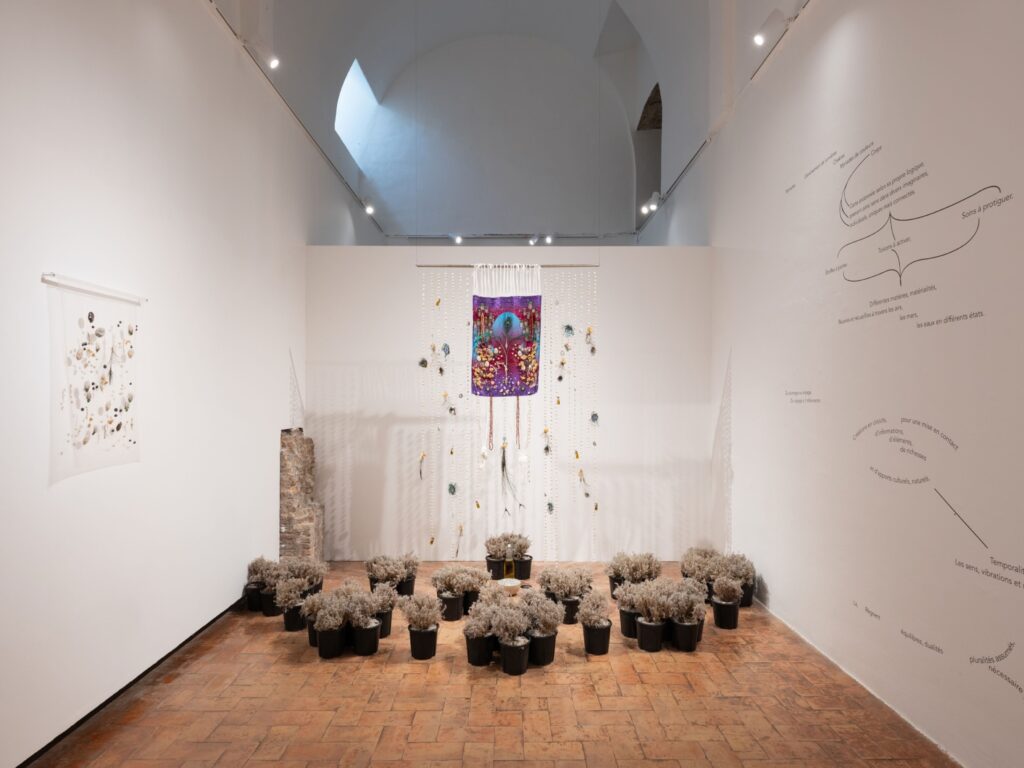
With Myriades, visual artist Marie-Claire Messouma Manlanbien leads us into cosmological imaginaries. During her residency, the artist focused on the study of textiles, such as Perugia tablecloths, and Mediterranean medicinal plants. These investigations gave rise to haute couture garments and ornaments, presented through La Maison Messouma, as well as an installation composed of tapestries strewn with everlasting flowers, ceramic elements and healing stones. The installation is situated in a space where relationships with the Other, care, the body and our environment coexist. From this installation emerges a choreography in which memories and matrilineal genealogies intertwine to weave new visions.
The body becomes a space-time in which wounds and memories are inscribed in the work of writer and performer Diaty Diallo and guest photographer and archivist Nastasia Alberti, who have sustained an intuitive and fragmentary photographic dialogue for almost twenty years, centred on each other’s faces and bodies, as well as those of the women around them. The photographs and interview excerpts in the work Do you really want to be the one to fight? form an underlying narrative of vulnerabilities, invisible suffering and symptoms rooted in systemic violence and reaffirm the importance of leaving traces in order to build an archive of silenced words.
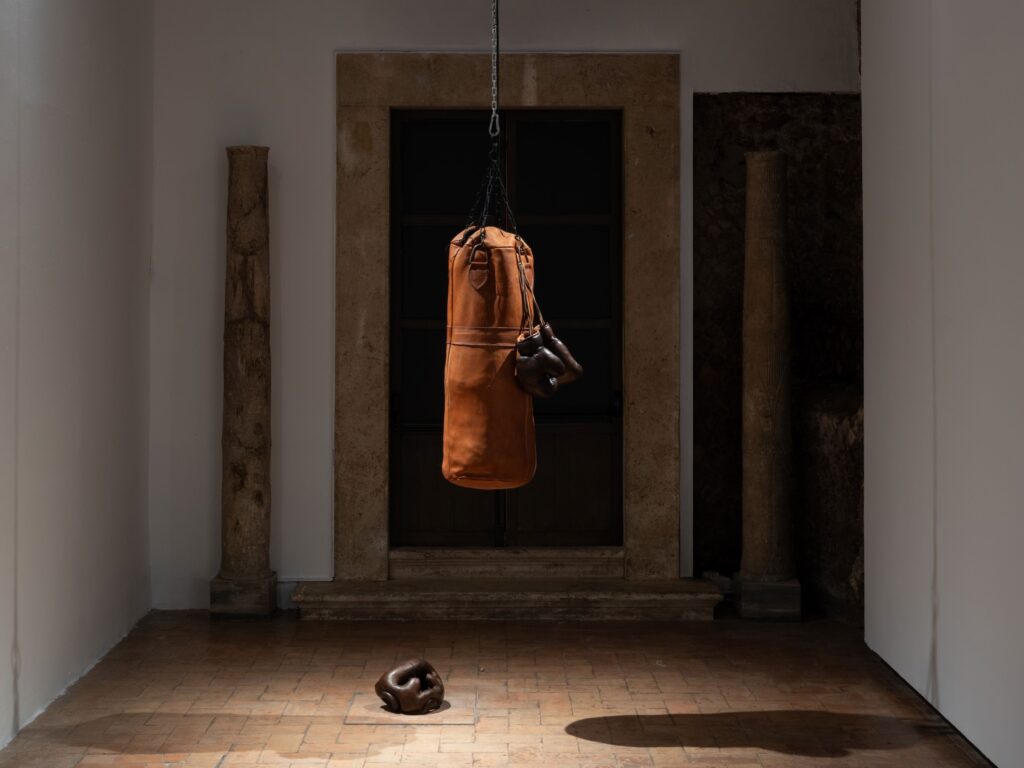
A field of forces and performative tension takes shape, by contrast, in Gancio by writer, poet and performer Marin Fouqué. Continuing his research into representations of masculinity, he now develops a sound installation. Passionate about boxing, during his residency in Rome he attended La Palestra Indomita and the Palestra Popolare di San Lorenzo. These sessions gave rise to a text on violence and gender, recorded by the author, translated into Italian and broadcast in two languages from inside a punching bag. It is an invitation to approach the bag and enter the body.
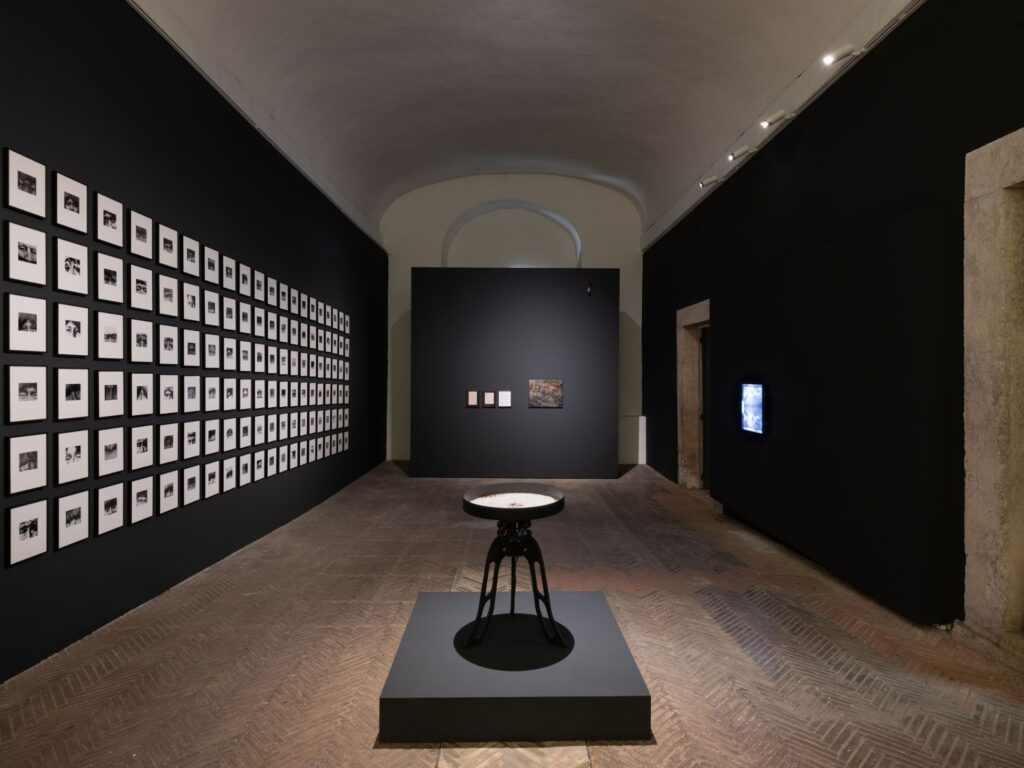
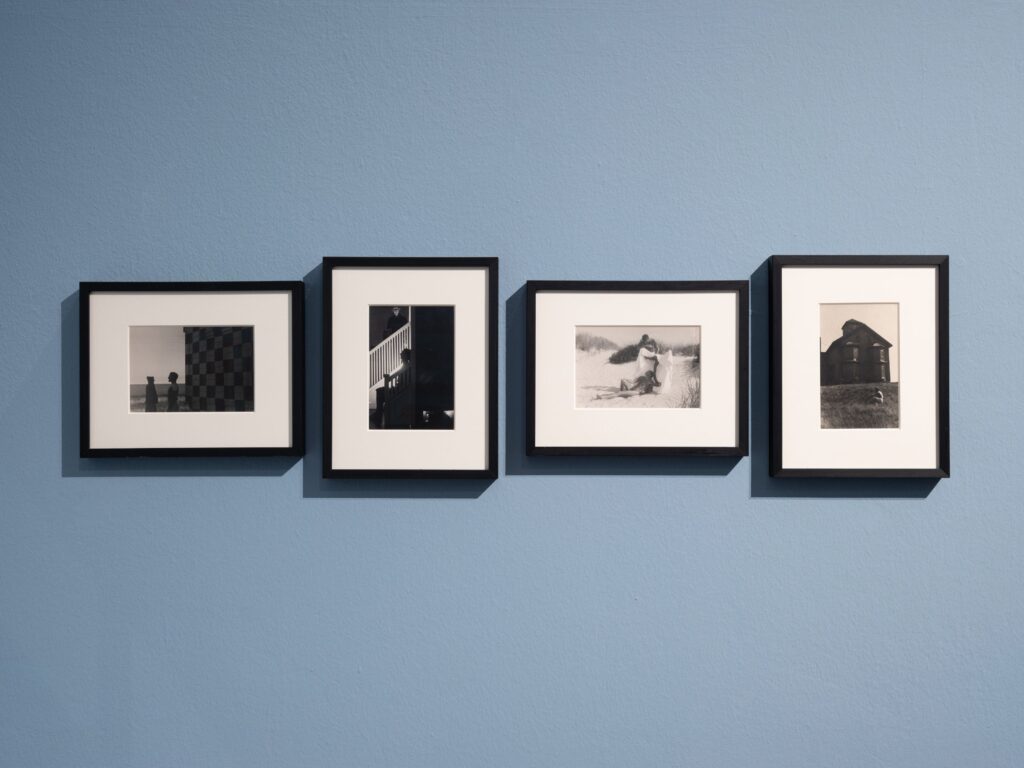
The theme of the body and gender identity returns in the research project by art historian, publisher and curator Baptiste Pinteaux, devoted to the photographic work of PaJaMa, a trio of American artists comprising Paul Cadmus, Jared French and Margaret Hoening French. Between 1937 and the mid-1950s, the three artists staged themselves on the beaches of Fire Island and Provincetown, in their Manhattan studio and in Italy, surrounded by their lovers, models and collaborators, most of whom were gay men. These dreamlike visions celebrate a sensual, luminous imaginary in dialogue with the Italian Renaissance, and tell of their desire to explore new affective geometries together.
Elitza Gueorguieva, a writer, performer and documentary filmmaker, instead draws on tragicomedy to interrogate identity and heteronormativity. During her residency, she presented burlesque and poetic musical readings and screened her film Chaque mur est une porte at the Villa’s Film Festival. For her latest novel, she draws inspiration from her personal experience as a candidate for French naturalisation, as well as from the story of a certain R. M., whose application for naturalisation was rejected in 1939. Her investigation becomes a mirror of suspended identities, caught between individual and collective memory, between marginality and belonging.
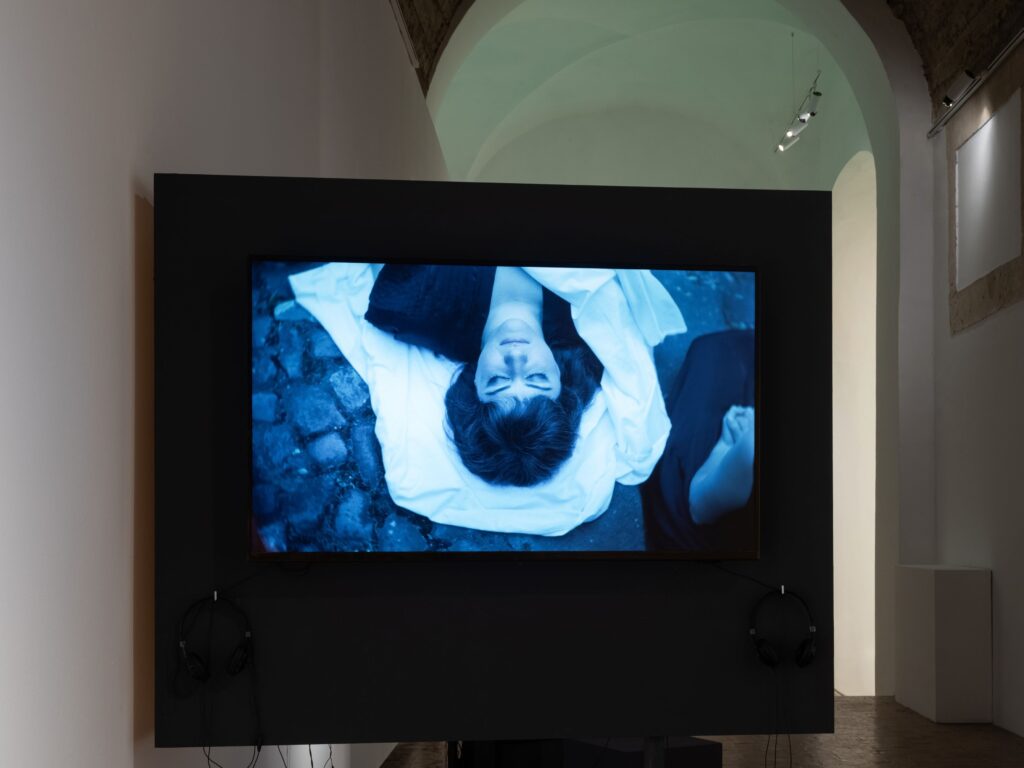
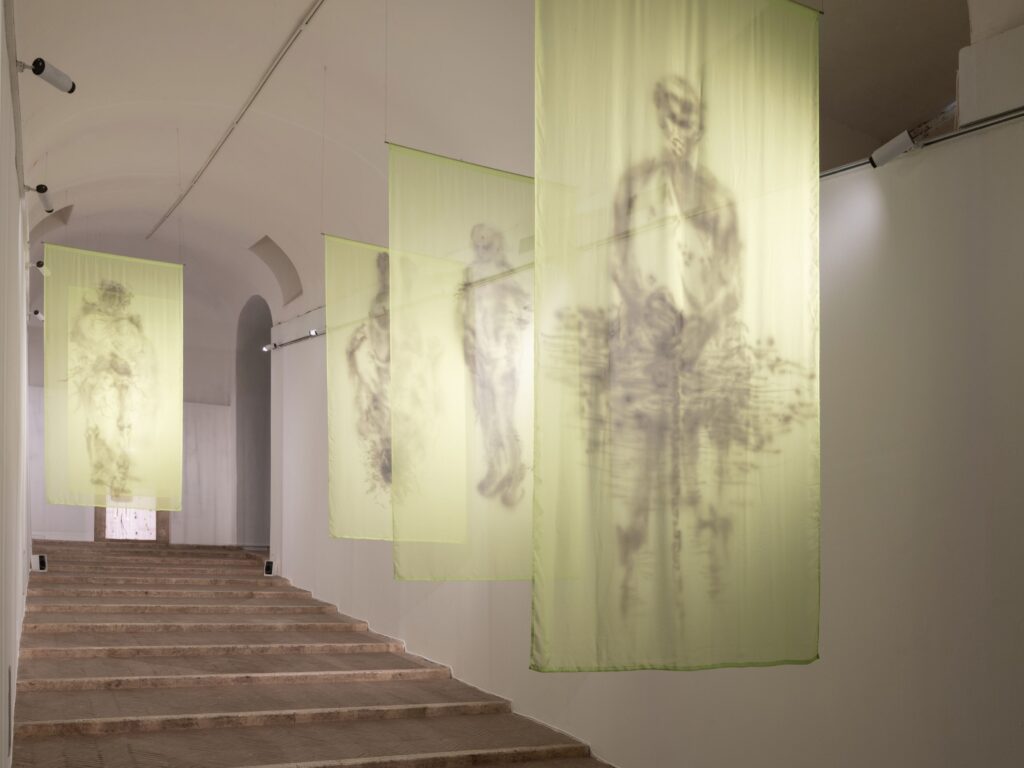
Shifting register, among the works on display we encounter the new series Les Ombres des gisant·e·s se tiennent debout by visual artist Paul Maheke, comprising monumental works made with an airbrush on fabric. Emerging from research into funerary statuary and effigies of recumbent figures found in the archives of the Central Institute for Cataloguing and Documentation, in Roman cemeteries and Etruscan catacombs, the work leads us into an environment where evanescent and sometimes unsettling figures merge and hybridise, suspended between wakefulness and sleep. These are spectral presences inhabiting the exhibition space, exploring how the dead persist among us and how the image can become a site where the invisible manifests itself.
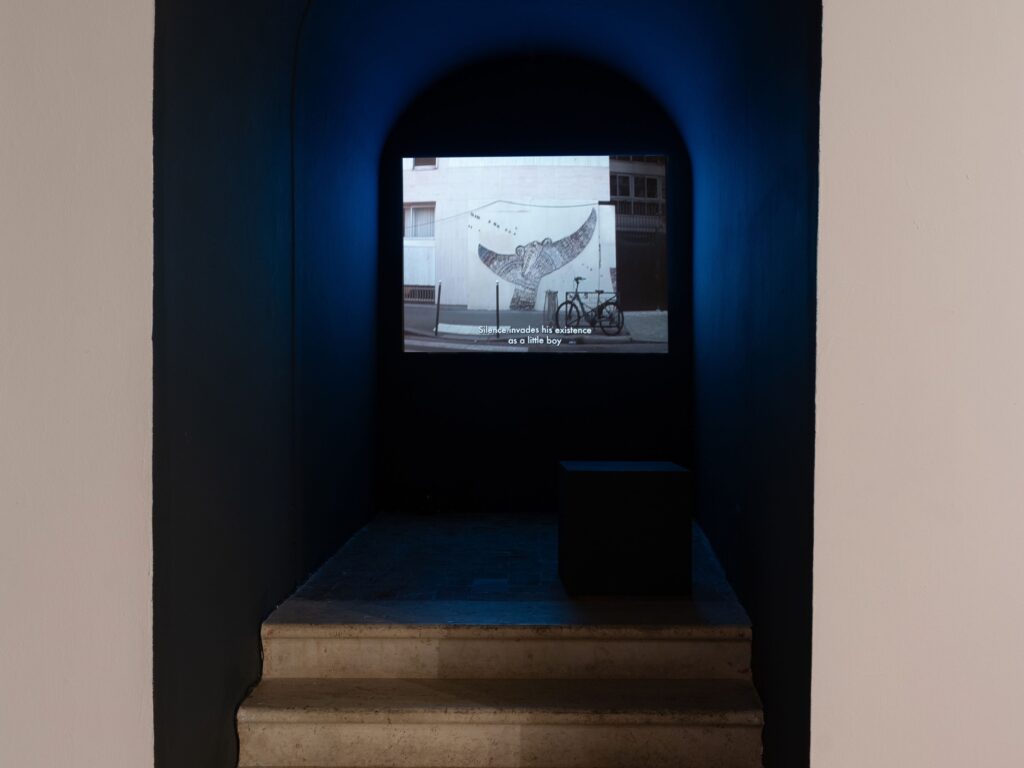
The choral dimension gives way to the intimacy of loss associated with mourning, transforming architecture into a memorial body in La tour Montparnasse est ma mère et l’hôtel Pullman mon père by writer and clinical psychologist Hugo Lindenberg, who explores the medium of cinema through a work of fiction that is at once literary and visual. A young boy wanders through the streets of Paris in search of his mother’s ghost, which he believes he recognises in the Montparnasse Tower, whose dark silhouette dominates the neighbourhood. He then imagines that, when the people he loves die, they become buildings. Taking the form of an essay film set in the streets of Paris’s 14th arrondissement, this flânerie is a poetic documentary about mourning and its representations.
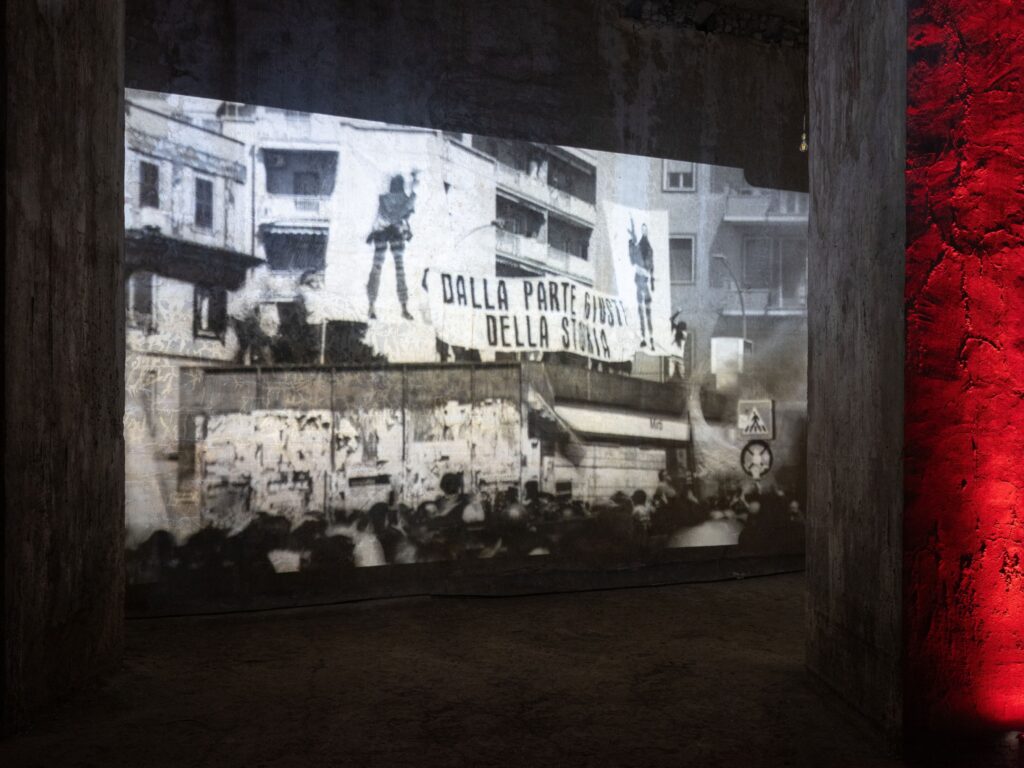
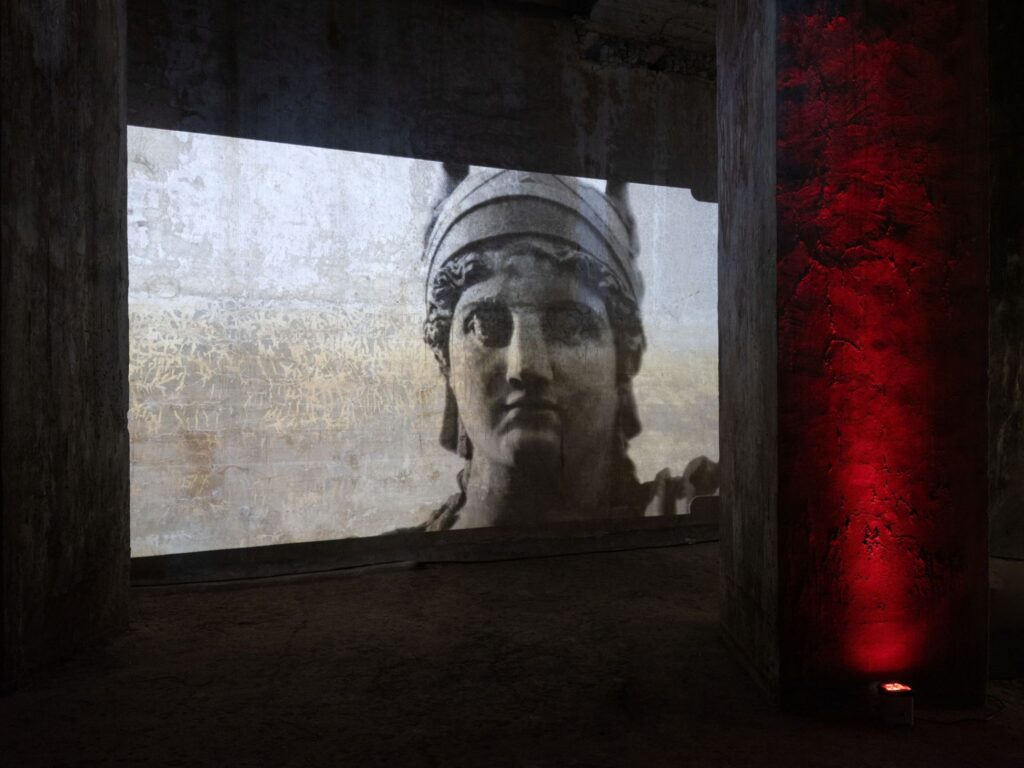
If coexistence with the invisible transforms buildings into familiar presences, the entire city then becomes the setting and tapestry of stories and phantasmagorias in Le fantome souriant, a non-fiction audiovisual installation by filmmaker and musician Ben Russell. At once an in situ projection and a research project for a feature-length fiction film, this work reinterprets Rome’s contemporary ruins through the eyes and ears of a ghost. From archaeological underground passages and the material remains of Roman history to self-managed social centres, the work explores how the present transforms and inhabits the past anew. Filmed primarily in black-and-white 16 mm, amid tunnels, demonstrations, concerts and ruins, it sketches a portrait of an era in which the personal and the political overlap.
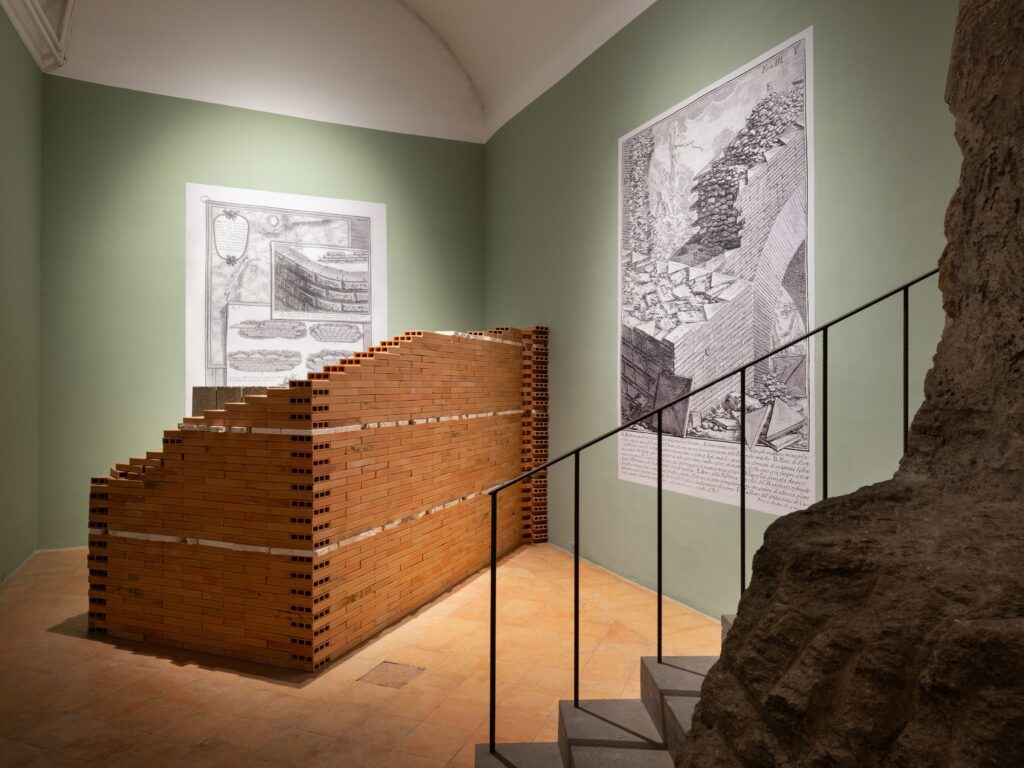
From ruins as traces of the past to matter as a blueprint for the future, architecture revisits Rome’s ancient remains to imagine ecological forms of construction in Fiction constructive, a fragment of wall conceived as a conceptual device and created collaboratively by architect Alia Bengana and guest ceramic artist Jacques Kauffmann (Morocco, 1954). Drawing on an engraving by Piranesi that reveals the logic of Roman walls, composed of brick facings used as formwork for a core of lime and pozzolana, the work proposes a contemporary reinterpretation. The brick formwork is retained, using reclaimed terracotta and unfired earth bricks, while the mineral filling is replaced by an insulating mixture of earth and straw. Layered and legible, the wall reveals its own construction process, questioning contemporary high-carbon systems and opening up a reflection on material, surface, ornament and collaboration.